Watercolor Eucalyptus Wedding Invitation: Your Complete Design Asset Guide
There's something undeniably magical about watercolor artwork—the way colors bleed softly into one another, the organic texture of each brushstroke, and the way it instantly brings warmth and personality to any design. When that watercolor aesthetic meets the timeless elegance of eucalyptus botanicals, you get a design element that feels both modern and deeply romantic. That's exactly what makes a Watercolor Eucalyptus Wedding Invitation such a versatile and valuable asset for creators across so many different industries and projects.
Whether you're a graphic designer building a client's wedding suite, a small business owner crafting product packaging, or a hobbyist looking to add a professional touch to personal crafts, this type of design resource opens up a world of creative possibilities. Let's explore what makes it special, how you can use it, and why it deserves a permanent spot in your design toolkit.
What Makes This Design So Visually Compelling
Eucalyptus has become one of the most beloved botanicals in modern design, and for good reason. Its muted sage and dusty green tones pair beautifully with virtually any color palette—from soft blush pinks and ivory to deep burgundy and navy. When rendered in watercolor, those leaves take on an organic, hand-painted quality that feels artisan and intentional rather than mass-produced.
The beauty of a Watercolor Eucalyptus Wedding Invitation lies in its versatility. It works seamlessly in rustic farmhouse aesthetics, bohemian garden themes, minimalist modern layouts, and even classic formal settings. The watercolor technique gives each element a slightly imperfect, human touch that resonates with audiences who crave authenticity in visual communication.
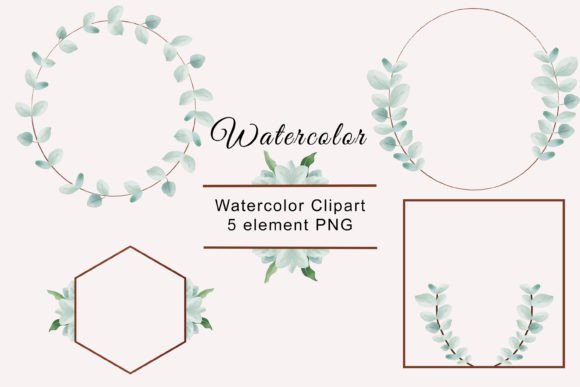
From a design perspective, these elements function as both decorative accents and foundational visual anchors. A eucalyptus wreath can frame typography beautifully. Scattered leaves can guide the eye across a layout. A painted border can establish the mood before a single word is read. That kind of instant emotional impact is rare in design assets, and it's what makes this particular style so popular among professionals and hobbyists alike.
Practical Applications Across Creative Projects
One of the greatest strengths of this design resource is its adaptability. Here's how different creators are putting it to work in real-world projects:
Wedding and Event Stationery: Obviously, wedding invitations are the most natural fit. But don't stop at the invite itself. Use these elements across save-the-dates, RSVP cards, menu cards, table numbers, ceremony programs, thank-you cards, and envelope liners. Creating a cohesive stationery suite becomes remarkably simple when you're working from a unified visual theme.
Branding and Logo Design: Florists, wedding planners, event photographers, boutique hotels, and spa businesses often gravitate toward botanical aesthetics. A watercolor eucalyptus element can serve as a subtle accent in a logo, a background texture for brand collateral, or a recurring motif across an entire brand identity system. It communicates natural beauty, sophistication, and care—qualities that resonate deeply with service-based businesses.
Packaging Design: Think about artisan candles, handmade soaps, organic skincare products, gourmet teas, or specialty food items. Wrapping those products in watercolor botanical packaging immediately signals quality and craftsmanship. The organic feel of painted eucalyptus leaves tells a story about the product inside before the customer even opens it.
Social Media Graphics: Instagram posts, Pinterest pins, Facebook headers, and story templates all benefit from beautiful botanical elements. Content creators in the wedding, lifestyle, wellness, and home décor spaces can use these designs to create a visually consistent feed that attracts followers and builds brand recognition. The soft, muted tones of eucalyptus watercolor work particularly well as backgrounds for quote graphics, announcements, and promotional posts.
Website and Blog Design: Headers, hero images, section dividers, sidebar accents, and downloadable resource graphics can all incorporate these elements. For bloggers in the wedding, fashion, travel, or lifestyle niches, having a library of cohesive botanical graphics makes maintaining a polished online presence significantly easier.
Print Materials and Merchandise: Posters, greeting cards, journals, tote bags, mugs, stickers, pillows, and t-shirts—these are all products that benefit from beautiful artwork. With the included PNG files featuring transparent backgrounds, you can layer these elements onto any surface or product mockup without worrying about clashing backgrounds or awkward edges.
Understanding the File Package
Knowing exactly what you're working with helps you plan projects more efficiently and avoid frustrating surprises mid-creation. This particular design package includes five PNG files with transparent backgrounds, each rendered at high-resolution 300dpi.
Why does that matter? The 300dpi resolution is the professional standard for print-quality output. It means your designs will look crisp and clean whether they're printed on a small business card or scaled up for a large-format poster. The transparent PNG format is equally important—it allows you to place these elements over any background color, photograph, or pattern without dealing with white boxes or awkward cropping. You simply drag, drop, and position.
This format combination makes the files ideal for a wide range of creative software, including Adobe Photoshop, Illustrator, Canva, Procreate, Affinity Designer, and even basic editing tools. Whether you're a seasoned designer comfortable with advanced layer masking or a beginner using drag-and-drop platforms, these files integrate smoothly into your workflow.
The sublimation compatibility is another practical advantage. If you're creating physical products using sublimation printing—mugs, apparel, phone cases, home décor items—high-resolution transparent PNGs are exactly what the process requires. You won't need to spend time removing backgrounds, adjusting color channels, or upscaling low-quality images.
Tips for Getting the Most Out of Your Design Assets
Having beautiful assets is one thing. Using them effectively is another. Here are some practical recommendations for maximizing the impact of your watercolor eucalyptus elements:
Consider Your Color Palette Carefully. While eucalyptus greens are naturally versatile, think about how they interact with your text colors, background shades, and accent hues. Soft neutrals like ivory, cream, and warm gray complement the organic feel beautifully. Metallic accents in gold or copper can add a touch of elegance. Deep jewel tones create dramatic contrast.
Balance Is Everything. Watercolor elements are visually rich, which means they can easily overwhelm a layout if overused. Let the artwork breathe. Leave white space around your text. Use botanical elements as accents and frames rather than flooding every corner of the design. The most sophisticated layouts often use restraint.
Pair Typography Thoughtfully. The organic, hand-painted quality of watercolor eucalyptus pairs wonderfully with certain font styles. Elegant serif typefaces complement the romantic aesthetic. Clean sans-serif fonts create a modern contrast that feels fresh and contemporary. Flowing script fonts echo the artistic quality of the watercolor itself. Experiment with different combinations to find what serves your specific project's tone and audience.
Think Beyond the Obvious. Yes, these elements are perfect for wedding invitations. But challenge yourself to think creatively. Could the eucalyptus wreath frame a product photo for an online shop? Could scattered leaves serve as subtle page dividers in an ebook? Could the artwork become a pattern for wrapping paper or fabric? The best creative work often comes from unexpected applications.
Maintain Visual Consistency. If you're building a brand or a product line, use these elements consistently across all touchpoints. The same eucalyptus illustration on your website header, social media graphics, business cards, and packaging creates a unified visual identity that customers remember and trust. That consistency is the foundation of strong brand recognition.
Why Quality Design Assets Save You Time and Money
There's a practical reality that every creative professional and small business owner understands: time is money. Commissioning custom botanical illustrations from a freelance artist can cost hundreds of dollars and take days or weeks. Attempting to create watercolor artwork from scratch requires both artistic skill and specialized tools. Purchasing a ready-made collection of high-quality, professionally rendered design elements gives you immediate access to polished artwork at a fraction of the cost.
The key is choosing assets that are genuinely versatile and professionally produced. Low-resolution files, awkward cropping, or poorly rendered watercolor effects can actually hurt your brand rather than help it. That's why the combination of 300dpi resolution, transparent backgrounds, and carefully crafted artwork matters so much—it ensures that whatever project you apply these elements to will look intentional and professional.
For entrepreneurs and creators who wear multiple hats—designer, marketer, photographer, content creator—having a reliable library of premium design assets is genuinely transformative. It bridges the gap between the vision in your head and the polished final product your audience sees.
A Watercolor Eucalyptus Wedding Invitation collection isn't just for weddings. It's a foundational design resource that supports branding projects, product development, digital content creation, and personal creative expression. The organic beauty of hand-painted botanicals carries a timeless appeal that transcends trends, making it a smart investment for anyone who values quality visual communication.