Watercolor Bride in a Wedding Dress: A Delicate Design Asset
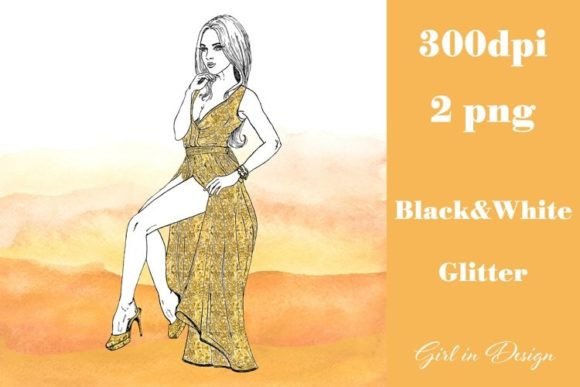
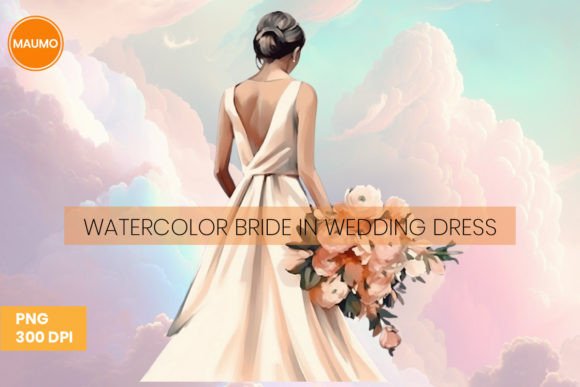
There’s something inherently romantic about watercolor—the way colors bleed softly into one another, the gentle imperfections that give it life, the feeling that each brushstroke carries a whisper of emotion. When that ethereal quality meets the timeless elegance of bridal imagery, you get something truly special for your creative toolkit. This particular illustration captures a bride in her wedding dress through that same dreamy, hand-painted lens, offering designers and creators a versatile asset that feels both personal and polished.
What makes this type of imagery resonate so deeply is its ability to evoke emotion without being overly literal. A photograph of a bride is beautiful, certainly, but a watercolor rendering adds a layer of interpretation—it feels like a memory, a daydream, or a wish. That emotional weight is exactly what makes it such a powerful design element, whether you’re working on wedding stationery, building a brand identity for a bridal boutique, or crafting social media content that stops the scroll.
Why This Illustration Works So Well Across Projects
At 300 dpi and 4800 x 4800 pixels, this isn’t a small, low-resolution graphic that falls apart the moment you scale it up. The file size gives you real flexibility—you can print it large for a poster or a wall display, or use a cropped section for something as small as a business card or a gift tag. The PNG format with a transparent background means you’re not locked into one color scheme or layout. Layer it over textured paper, place it against a solid backdrop, or combine it with other design elements without worrying about awkward white borders or clashing edges.
The watercolor style itself walks a beautiful line between artistic and accessible. It doesn’t feel stiff or overly formal, but it also doesn’t veer into casual or unfinished territory. That balance makes it appropriate for a surprisingly wide range of applications. A wedding photographer might use it as the centerpiece of a thank-you card design. A small business owner selling bridal accessories could feature it on product packaging or hang tags. A blogger writing about wedding planning could use it as a featured image that immediately signals the tone and topic of their content.
Bringing Visual Consistency to Wedding-Related Brands
One of the biggest challenges for anyone building a brand—whether it’s a full business or a personal project—is maintaining a cohesive visual identity across every touchpoint. You want your Instagram feed, your website, your printed materials, and your digital products to feel like they belong to the same story. That’s where a distinctive illustration like this becomes invaluable.
Imagine you’re launching a bridal styling service. You could use this watercolor bride illustration as a recurring visual motif across your entire brand presence. On your website, she might appear as a subtle background element behind your about page. On social media, she could anchor your quote graphics or announcement posts. For printed materials—think consultation welcome packets, pricing guides, or referral cards—she adds a consistent artistic touch that ties everything together. When a client encounters your brand across different platforms and materials, that visual thread creates recognition and trust.
The same principle applies to product-based businesses. If you sell handmade bridal jewelry, custom veils, or wedding favors, incorporating this illustration into your packaging, labels, and marketing materials creates a signature look. Customers begin to associate that soft, romantic watercolor aesthetic with your brand, which strengthens your identity in a crowded marketplace.
Practical Applications That Go Beyond the Obvious
Wedding invitations are the most natural fit, of course. But limiting this illustration to one use would be a missed opportunity. Think about the full lifecycle of wedding-related content and products:
- Save-the-date cards and RSVP inserts that set the tone for the entire event
- Table numbers and menu cards printed at smaller scales for reception décor
- Wedding website headers that give couples a personalized digital presence
- Shower and bachelorette party invitations with a softer, more elegant feel than typical designs
- Thank-you cards that carry the wedding aesthetic through to the final correspondence
- Photo album covers and scrapbook embellishments for couples preserving their memories
- Merchandise for wedding vendors—tote bags, mugs, or t-shirts for bridal shops, planners, or florists
- Digital planners and printables sold on platforms like Etsy or Creative Market
- Editorial layouts for wedding magazines, blogs, or lookbooks
- Wall art and nursery décor for couples who want a romantic, artistic piece beyond the wedding day
Each of these applications benefits from the same qualities that make the illustration appealing in the first place: its warmth, its artistry, and its ability to feel both specific and universal. It’s clearly bridal, but it doesn’t lock you into one style of wedding or one type of bride.
Matching This Asset to Your Design Goals
When you’re deciding how to incorporate a watercolor illustration into a project, context matters. The same image can feel playful or sophisticated depending on what surrounds it. Pair it with a clean, modern sans-serif font and a minimalist layout, and it becomes the focal point of something contemporary and fresh. Combine it with a flowing script font, ornate borders, and a muted color palette, and you’re in classic romantic territory.
Think about your audience first. If you’re designing for brides in their twenties who gravitate toward modern, understated aesthetics, let the illustration breathe—give it space, keep the typography simple, and use a restrained color palette. If your audience skews toward traditional or vintage tastes, you might layer in more decorative elements, richer textures, and warmer tones. The illustration adapts to both approaches because its watercolor style is inherently versatile.
Color is another consideration worth thinking through carefully. Watercolor artwork tends to feature soft, blended hues that can shift depending on your monitor settings and your printer’s calibration. If you’re using this for print—especially for something like wedding invitations where color accuracy matters—it’s always worth ordering a test print before committing to a full run. What looks like a blush pink on your screen might lean more peach or mauve in print, and small adjustments to your layout or background color can make a significant difference in the final result.
Commercial Use and Licensing Considerations
For designers and small business owners, the commercial potential of an asset like this is one of its most valuable features. Whether you’re creating products to sell, designing for clients, or building marketing materials for your own business, understanding the licensing terms is essential. Most premium illustration downloads like this one come with a license that covers both personal and commercial use, but the specifics matter—particularly if you plan to sell physical or digital products that feature the image prominently.
Take a moment to review the license details before you start designing. Can you use the illustration on products sold through print-on-demand platforms? Is there a limit on the number of physical items you can produce? Are there restrictions on how the image can be modified or combined with other elements? These aren’t just legal formalities—they’re practical considerations that shape how you can use the asset and how much value it brings to your business.
For content creators and bloggers, the licensing question is usually simpler, but still worth confirming. Using the illustration in a blog header, a social media post, or a digital download for your audience typically falls within standard commercial use, but verifying that upfront saves you from headaches later.
Making the Most of a Single, High-Quality Asset
There’s a temptation to think that a single illustration has limited utility—that you need a whole library of graphics to build something meaningful. But a well-chosen, high-resolution asset like this watercolor bride can anchor an entire visual identity when used thoughtfully. Crop it differently for different applications. Adjust the opacity for background use. Combine it with solid color blocks, geometric shapes, or other design elements to create variety while maintaining cohesion.
The key is to treat it not as a one-time decoration but as a building block. When you approach a design asset with that mindset, a single PNG file becomes the foundation for dozens of distinct projects—each one connected by a shared visual language, each one reinforcing the aesthetic you’re building. That’s the real value of investing in quality design resources: they don’t just fill a space in one project; they become part of how you communicate your brand, your style, and your vision to the world.