Crafting Bohemian Elegance: A Designer's Guide to Balinese Wedding Graphics
The search for the perfect visual assets for a wedding or lifestyle brand often ends in a frustrating compromise between style and utility. You might find an aesthetic that captures the free-spirited, natural beauty of a bohemian theme, but the files are low resolution or locked in a format you can't edit. Conversely, you might get a crisp vector file that looks sterile and lacks personality. This is where a specialized resource becomes indispensable. Imagine having a collection of motifs that blend the intricate, spiritual patterns of Balinese art with the relaxed, organic flow of boho design. This specific fusion offers a unique visual language that feels both exotic and familiar, warm and sophisticated. It’s not just about pretty flowers; it’s about weaving a story of romance, nature, and artistry into every design you create.
A Fusion of Culture and Style
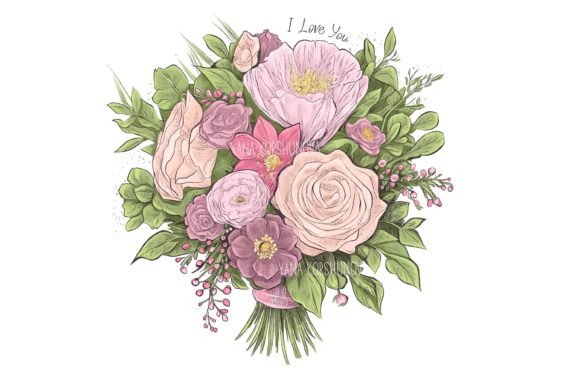
What exactly defines this aesthetic? It’s a harmonious marriage. Balinese design contributes elements like delicate line work inspired by traditional batik, symbolic flora and fauna, and a sense of sacred geometry. Boho style brings in its characteristic earthiness—think macramé textures, dried botanicals, feathers, and a palette drawn from nature. When combined, the result is a collection of vectors that feel both grounded and ethereal. You’re not just getting a generic flower; you’re getting a frangipani rendered with the precision of Balinese craft, or a mandala that incorporates boho tassels. This nuanced approach avoids the clichés of mass-produced clipart, offering instead a toolkit for creating designs that feel curated and intentional. For a small business owner or a creative entrepreneur, this distinction is crucial. It allows your branding to communicate a specific story and stand apart in a crowded market of generic wedding templates.
From Digital Files to Tangible Branding
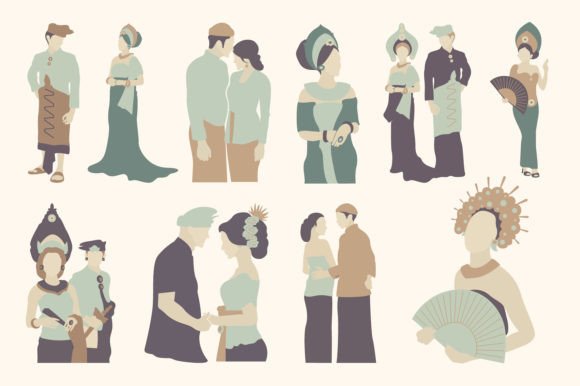
The true power of a resource like the Balinese Wedding Boho Vector Set lies in its versatility across mediums. Receiving files in SVG, AI, EPS, and PDF formats means you are equipped for nearly any project, digital or print. Let’s break down the practical applications. For a wedding planner or stationery designer, these vectors are the foundation for a complete suite. You can design save-the-dates, invitations, RSVP cards, and day-of materials like menus and programs with perfect visual consistency. The scalability of vectors ensures that a motif used on a small envelope seal will look just as sharp on a large welcome sign. Beyond the wedding day itself, these assets are invaluable for building a brand identity for related businesses. A boutique offering bridal accessories, a floral studio specializing in bohemian arrangements, or a venue with a tropical garden aesthetic can all use these elements to craft logos, social media graphics, and website banners that instantly communicate their niche. The cohesive look achieved by using a unified set of design assets significantly boosts brand recognition and professional presentation.
Practical Applications for the Modern Creator
Think beyond the obvious. While perfect for invitation card design and wedding party decoration mockups, the utility extends far into the digital realm. Content creators and bloggers can use the vectors to design engaging Instagram posts, Pinterest pins, and YouTube thumbnails that attract a specific audience interested in boho lifestyle and wedding planning. Marketers can develop eye-catching banners for email campaigns or social media ads. For those in the print-on-demand or merchandise space, these designs can be adapted for fabric prints on items like tote bags, robes, or cushion covers. The set is also a fantastic resource for digital scrapbooking and creating printable art. The key is to see the vectors not as finished products, but as a flexible library of visual elements. You might use a single leaf motif to create a subtle watermark, combine several elements to form a complex header, or extract a specific icon to use as a logo design element. This adaptability makes it a valuable investment for anyone who regularly produces visual content.
Integrating Aesthetics into Your Workflow
Having beautiful assets is one thing; using them effectively is another. The goal is to enhance your project’s clarity and emotional resonance, not to overwhelm it. A common mistake is to use too many intricate elements at once, which can create visual clutter and harm readability. Instead, practice restraint. Choose one or two hero motifs to anchor your design—perhaps a detailed mandala for a wedding invitation background or a delicate floral spray for a social media post—and let them breathe. Pair these detailed vectors with clean, simple typography. A modern serif font or a minimalist sans serif font can provide a perfect counterbalance to the ornate boho graphics, ensuring your message remains clear and legible. Consider the mood you want to set. The earthy, natural elements of the set are ideal for creating a warm and inviting feel, perfect for a welcome sign or a thank-you card. The more structured Balinese patterns can add a touch of elegance and formality.
When working on a branding identity or logo design, consistency is paramount. Select a core palette of two to three colors from the set or that complement the vectors, and use them across all your materials. This creates a cohesive visual language that helps with brand recognition. Before finalizing any design, especially for print, always test your layouts. View them on different screens and, if possible, print a test sheet to check how the colors and line details reproduce. Pay close attention to how the vectors interact with your chosen fonts; ensure there is enough contrast and spacing for easy reading. By thoughtfully integrating these elements, you move from simply making something that looks nice to crafting a strategic visual communication tool that engages your audience and elevates your professional presentation. The right design assets don’t just decorate; they communicate, connect, and convert.